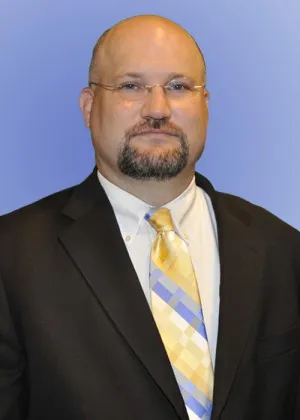
Angélica Infante-Green, a deputy commissioner of education in New York, received three votes.
Following the vote, the board voted unanimously to ask BESE Chair Paul Sagan to recommend Riley for the post. Secretary of Education James Peyser, who voted for Riley on the board, has final say on the appointment.
Riley has served as the state-appointed receiver of the Lawrence Public Schools for the past six years. He announced in November that he would be stepping down from that role at the end of the current school year. He will be filling a vacancy created by the death of Commissioner Mitchell Chester last June.
MTA President Barbara Madeloni issued the following statement on the selection of Riley as the new commissioner:
“We hope that Jeff Riley has learned from his experience in Lawrence about the importance of respecting the professional knowledge, experiences and voices of educators and the unions that represent them.”
MTA President Barbara Madeloni
Our values and priorities don’t change, regardless of who serves as commissioner.
We hope that Jeff Riley has learned from his experience in Lawrence about the importance of respecting the professional knowledge, experiences and voices of educators and the unions that represent them.
It is the job of the commissioner to prioritize supporting and advocating for the district public schools that serve more than 90 percent of our students, not to devote disproportionate energy and resources to charter schools and other privatization efforts that deprive educators of their collective bargaining rights and disempower democratically elected school committees.
We remain committed to putting an end to the state’s high-stakes testing regimen and will want to work with the new commissioner to focus on supporting students, schools and districts rather than on punishing them.
We expect the commissioner to identify the effects of economic injustice on student learning. That means publicly supporting progressive policies to reduce poverty and advocating for state spending to guarantee that students in low-income districts, most of whom are students of color, receive the same level of services as students in our affluent suburbs.