Many of the critical decisions made about the way public colleges and universities operate – what types of courses are offered, how much financial aid is provided to students, the range of staff salaries and benefits – are not made on campus; they are made on Wall Street.
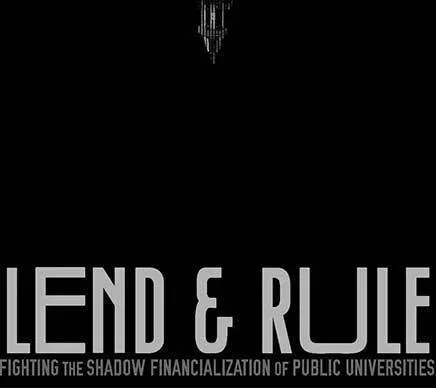
A new book “Lend & Rule: Fighting the Shadow Financialization of Public Universities” examines the deep and troubling influence that the finance industry holds over public higher education.
The book, published by Common Notions Press, sprung from the conversations and work among members of the Public Higher Education Workers national network. “Lend & Rule” covers the problems associated with privatization of public education through debt, suggests ways to organize around returning public higher education into truly public hands, and outlines a set of goals to create public universities that are directly tackling social inequities rooted in racism and other forms of oppression.
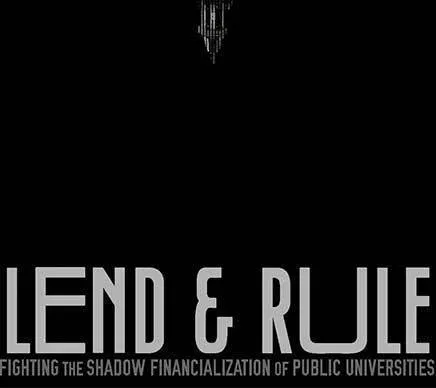
Three MTA members — Rich Levy, Joanna Gonsalves and Barbara Madeloni —are among the authors of “Lend & Rule,” which looks at examples around the country of the ways in which institutional debt has become a driving force of what happens in public higher education.
“What kind of public universities do we want to have,” Madeloni asked. “Why are we getting rid of history courses? Why are we getting rid of the liberal arts?”
The answers, she and others posit in “Lend & Rule,” can be found in peeling back debt obligations held by public colleges and universities.
That is exactly what Levy and Gonsalves did, along with other public higher ed staff and students, in a “debt reveal” study of public colleges and universities in Massachusetts. The project unearthed billions of dollars in capital debt held by state universities and the UMass campuses. This debt drove up costs for students — contributing to the student debt crisis — and led to austerity measures in support for faculty and staff.
“Lend & Rule” isn’t simply a factual statement, but also a call to action. The authors discuss ways to organize union members and others to put pressure on state legislatures for funding public higher education needs.
“The book is changing conversations,” Gonsalves said. “When we started out, university presidents were saying ‘Don’t take our debt away.’ They were used to hearing about ‘good debt.’ There isn’t good debt.”
Madeloni said that the conversation needs to expand beyond funding for public higher education and include actions around making public universities and colleges more democratic and independent.
“This campaign won’t be a success if we have very well-funded institutions but we’re still just talking about creating more workers and we’re not creating spaces of liberation,” she said.
MTA members can download "Lend & Rule" on the Libby app as part of the MTA Reads program. Instructions are available here.