Phantom debt collection is on the rise. How to spot scammers.
Phantom debt will rise in the United States as the number of debts entering default increases due to the COVID-19 pandemic. Arm yourself with information about fake collection attempts and the reasons why many of them are illegal. It could save you a lot of cash.
The term "phantom debt" has several meanings. It could be debt already written off by major lenders like JPMorgan Chase or Bank of America. Often that debt is sold for pennies on the dollar to collection firms that launch new efforts to collect the funds. In other instances, the caller claims you owe debt from a payday loan in your name or owe money to a major company.
Statute of limitations and other legal issues
State laws limit how long a lender or debt collector can attempt to collect a debt. These protections vary by state and often by agreement type. The time duration for collections, known as the statute of limitations, also changes based on whether the agreement is written or oral. During this period, you’re legally liable for the debt.
Don’t restart the clock. Maybe the civil limit in your state is five years and seven years have passed since the debt was deemed to be in default. Do not make any payments or claim the debt. Even one dollar paid could reset the clock on the statute’s limit or be considered acknowledgment that you owe the money.
Ask for details of the alleged debt in writing. By law, legitimate collectors must comply with federal rules, according to the Federal Trade Commission.
The agency takes swift action on debt collection cases, which constitute the largest category of complaints1 it receives each year. "By law, debt collectors have to send you a validation notice in writing, within five days of contacting you. If they don’t, that’s a red flag. And if a debt collector threatens, harasses, or intimidates you to pay a debt, that’s illegal, too," the FTC notes.

Legal actions succeed
In March 2021, the FTC banned two firms for attempting to collect made-up debt or amounts that already had been paid off.2
In 2015, the agency and the state of New York announced they had "charged a group of defendants known as Delaware Solutions with collecting on debts that they knew were bogus." The FTC later issued refunds totaling $184,000 to consumers when that case was settled in 2018.
The FTC also battles "debt parking," the collection practice of improperly placing debts on a consumer’s credit report to coerce payment. Last fall, the agency filed a complaint against Midwest Recovery, alleging that the group had parked an incorrect amount on one consumer’s report.
"A consumer was told when applying for a mortgage that an outstanding $1,500 medical debt placed on his credit report by Midwest Recovery had lowered his credit score and jeopardized his purchase. The consumer contacted the hospital to [which] the debt was owed, [which] told him that he only owed an $80 copay. Despite that, Midwest refused to remove the $1,500 debt and threatened the consumer with a lawsuit if he didn’t pay3," the FTC stated.
Scammed again
Whenever you complete an online loan application — for refinancing a home or obtaining a payday loan, for example — you provide data to a source that could be masquerading as a lender; the odds are it’s a "lead generator" instead. These lead collectors sell your data to a range of entities that then inundate you with calls and emails hawking loan products. In some cases, calls begin 10 seconds after you hit the submit button.
Lead generation is one way that your data circulates in places scammers frequent. Recent data breaches provide another information leak. If the scammer calls and claims to be a loan collector but you don’t recognize the debt, it’s probably phantom debt collection. They owe you some proof.
Shield yourself
Always request written proof of debt. That’s your right. Do it whether or not you recognize the alleged sum owed. If documents can’t be provided, the debt can’t be collected.
Do not panic. Callers are incredibly convincing, and their threats might include garnishing wages, contacting your employer or telling any references you provided that you’re a deadbeat. Don’t respond; you could take actions you’ll later regret. Investigate first.
Many of these practices are illegal. Report illegal fraud tactics to the FTC directly and brush up on your debt-collection rights. With IDShield, you can talk to a credit specialist and get advice on the steps that you need to take next.
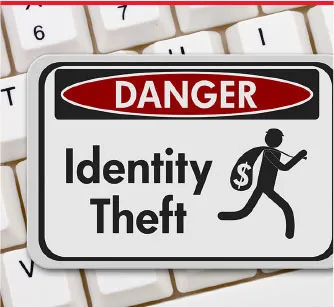
IDShield delivers credit monitoring services that can track much of your personally identifiable information. It does it 24/7 so you can sleep more soundly. It provides 30-day free trials if you’d like to experience all offerings today. MTA members save on an IDShield membership. The cost for an individual is $8.95 per month, or you can purchase a family plan for $18.95 per month. Visit www.legalshield.com/info/mtabenefits for more information.
All program and pricing information was current at the time of publication (November 2021) and is subject to change without notice. To find out what may have changed, please call MTA Benefits at 800.336.0990.
IDShield is a product of Pre-Paid Legal Services, Inc., d/b/a LegalShield ("LegalShield"). LegalShield provides access to identity theft protection and restoration services. For complete terms, coverage, and conditions, please see an identity theft plan. All Licensed Private Investigators are licensed in the state of Oklahoma. This article is meant to provide general information and is not intended to provide legal advice, render an opinion, or provide any specific recommendations.
1 https://www.ftc.gov/news-events/media-resources/consumer-finance/debt-collection
2 https://www.consumer.ftc.gov/blog/2017/06/company-kept-collecting-debts-it-knew-were-phony