The evidence is sparse, since there were so few educators of color at that time and old membership records no longer exist. Although the MTA took a stand for "equal rights to all men irrespective of race or color" as early as 1866, educators of color were not featured prominently in MTA’s publications for another century.
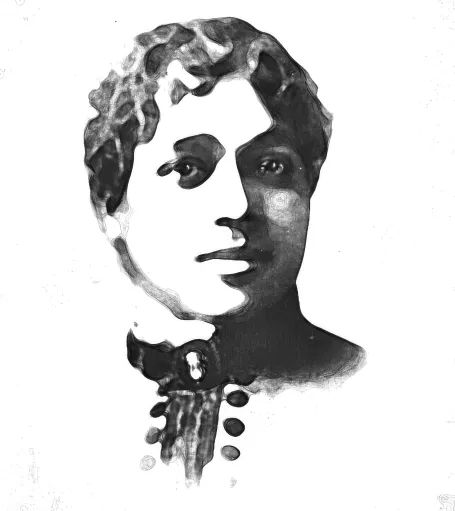
There is one story that suggests the MTA was ahead of its time, and ahead of many states that had segregated education associations until 1966. The MTA History Project has identified an illustrious teacher and principal from Cambridge, Maria Louise Baldwin, as the first verified Black member. She was more than just a member. On Nov. 30, 1900, Baldwin was elected assistant secretary of the MTA at the association’s Annual Meeting.
Baldwin’s extraordinary story is well known in Cambridge. It deserves to be known throughout the state. Unless otherwise noted, information about Baldwin for this article came from "Maria Baldwin’s Worlds: A Story of Black New England and the Fight for Racial Justice," by Kathleen Weiler.
Born in 1856, Baldwin was the first of three children of Peter and Mary (Blake) Baldwin. Her father, a former mariner, landed a coveted job as a postal worker in Cambridge and her mother was a homemaker. The number of Black residents in the city was tiny: 140 out of a population of 15,215 in 1850.
Baldwin was born on the cusp of the Civil War in a deeply divided country. If you were Black in America at that time, Massachusetts was among the better places to live. A year before her birth, Massachusetts was the first state in the country to outlaw segregated schools, enabling Baldwin and her two siblings to attend integrated public schools.
Baldwin graduated from Cambridge High School in 1874 at a time when few students of any race made it past the eighth grade. She immediately enrolled in Cambridge’s teacher education program and applied for a teaching job in 1875. Despite her stellar record, she couldn’t get a job in her home city. Reluctantly, she left home and taught for a while in a segregated school in Maryland.
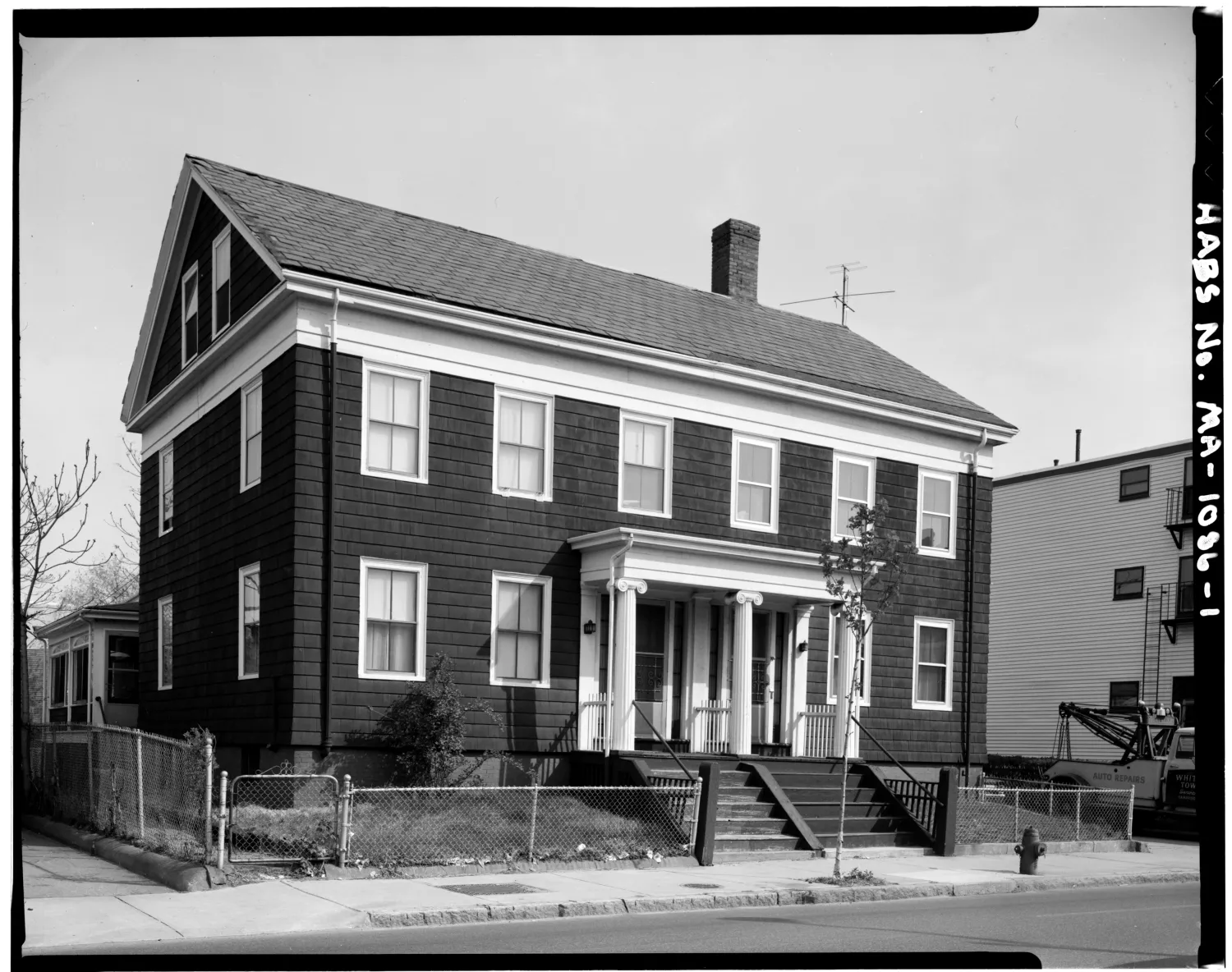
After her father died in 1880, Baldwin returned to Cambridge in need of work to support her family. In response to pressure from the city’s Black community, the district finally hired her in 1881 to teach at the Agassiz School, an elementary school serving the children of Harvard professors and other elite white residents. She was the only Black teacher in Cambridge, and one of the first Black teachers in any integrated school in Massachusetts. She thrived at the Agassiz.
When the principal of the school retired in 1889, a former school committee member later reflected on the decision to offer the job to Baldwin. According to Weiler’s biography, the committee member wrote, "the superintendent [Francis Cogswell] told me it would be my duty to appoint a new principal. ‘Why’ I said, ‘you know as well as I do there is only one suitable person, Miss Baldwin.’ ‘I think so too,’ he said, ‘but I was not sure about the color.’ ‘It is not a question of color,’ I said,’ it is a question of the best.’"
Baldwin told biographer Pauline Hopkins that she initially declined the offer, telling the superintendent, "If I failed in the position you mention it would be a conspicuous failure." Nonetheless, she took the job and remained at the Agassiz as a principal and then master until her death in 1922. W.E.B. Du Bois said in 1917 that hers was "the most distinguished position achieved by a person of negro descent in the teaching world of America."
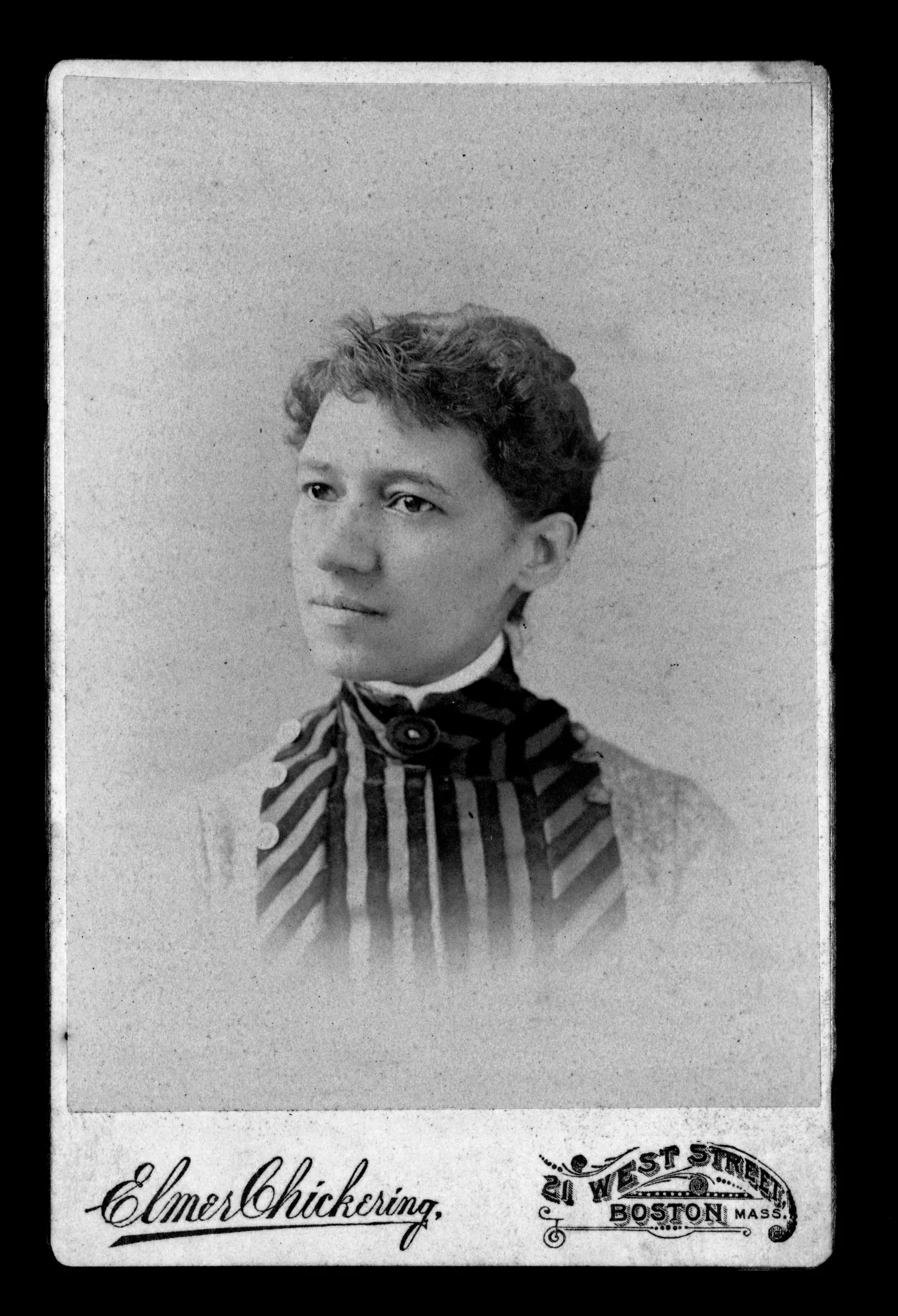
One of Baldwin’s students was 10-year-old Edward Cummings, later known as the poet e.e. cummings. She wrote of him, "He is a most lovable little boy and we are glad that he is part of our little community." He was equally appreciative of her, describing her in a memorial message as "blessed with a delicious voice, charming manners, and a deep understanding of children. … From her I marvellingly learned that the truest power is gentleness."
Her gift as a teacher was matched by the contributions she made to broader social and educational movements of her time. She hosted discussion sessions with Black students at Harvard and was active in many groups promoting the rights of women and racial minorities.
Her friendships included Alice Longfellow, Harvard President Charles Eliot and prominent Black intellectuals, including Du Bois, Booker T. Washington, William Monroe Trotter and Flora Ruffin, one of the first Black teachers in Boston and a leading suffragist.
Baldwin was in high demand as a speaker, giving lectures on Harriet Beecher Stowe, Presidents Washington, Jefferson and Lincoln and the poet Paul Laurence Dunbar, as well as on a wide range of education issues.
The first reference that connected her to the MTA was that she spoke at the 54th Annual Meeting in Springfield in 1898. Will S. Monroe wrote in the Journal of Education that Baldwin "gave an address on the working ideals of the teacher that was clear-cut, bright, and abounded in great philosophic sense."
Then, on Dec. 1, 1900, the Boston Globe reported that Baldwin had been elected assistant secretary of the MTA the previous day. Three years later, she was once again a featured speaker at MTA’s Annual Meeting.
Baldwin never married nor had children. If she had, she would have been barred from teaching, as was her close friend, Flora (Ruffin) Ridley. Instead, Baldwin helped to educate, nurture and inspire thousands of students, both in her lifetime and beyond.
In 2000, Nathaniel Vogel, an Agassiz School eighth grader, launched a campaign to change the school’s name after reading that its namesake, scientist Louis Agassiz, propounded the theory that white people were genetically superior to people of other races. "Let’s have a name that lives up to the school," Vogel said, according to The Harvard Crimson. The Cambridge School Committee voted unanimously on May 21, 2002, to change the name of the Agassiz School to the Baldwin School in honor of Maria Louise Baldwin.
Laura Barrett is a former MTA communications specialist who now manages the MTA History Project under a Public Relations & Organizing grant.