
When you hear the phrase "identity theft," what is your first reaction? If you’re not bothered by or educated about identity theft, you could easily be the next victim.
In 2020, the Federal Trade Commission received 4.7 million reports of fraud, a 45 percent increase over 2019. Identity theft accounted for 29 percent of those reports, according to Experian, a financial information services company.
Understanding the signs of identity theft is the first step toward protecting yourself and your family against often-devastating effects.
Signs that you may be a victim of identity theft
Identity theft requires illegal access to your personal or financial information in the form of your name, address, credit cards, account numbers, Social Security number or even medical identification numbers. Consequently, signs of identity theft can vary, but they can include:
- No longer receiving bills for your accounts.
- Beginning to receive bills for accounts that aren’t yours.
- A surprise denial of credit.
- Reviewing your credit report and finding accounts in your name that you don’t recognize.
- Activity on your bank statements that you don’t remember initiating.
- Learning that you supposedly filed your tax return when you did not.
Do you suspect that your identity has been stolen?
First of all, don’t panic. There are helpful resources available to you that can help stop additional unauthorized use of your sensitive information.
- Start by contacting companies that are affected by the fraud, such as credit card companies, local banks and your health insurance company. Explain that you believe you are a victim of identity theft and, if it’s card-related, ask them to cancel the card. Change all usernames, PIN numbers and passwords and ask companies which next steps they recommend. They should already have protocols in place for this situation.
- File an identity theft report with the FTC at identitytheft.gov and receive additional information that may be helpful as you navigate through the process. This report will prompt an investigation into the fraud by law enforcement agencies.
- Review your credit report to see if the fraud has negatively impacted your credit score. Check periodically since it can take a few months for new credit-related activity to appear.
- Consider issuing a fraud alert or freezing your credit.
A fraud alert notifies lenders that someone may have stolen your identity and prompts them to request additional proof of identity from anyone who tries to take out credit in your name. It expires in one year and can be extended if necessary.
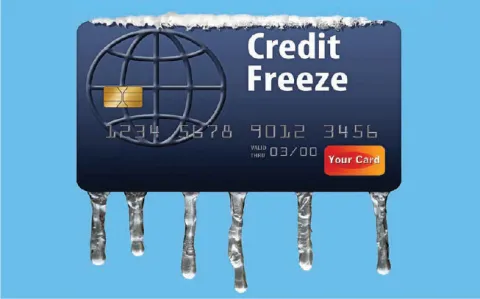
A credit freeze is more stringent than a fraud alert. It prohibits lenders from viewing your credit reports and no one, not even you, can take out credit in your name. If you wish to take out credit when there is a freeze on your account, you must "thaw" your credit first which can take a few hours to a few days.
Remember, a little knowledge goes a long way. Consider taking identity protection to the next level with a monthly identity protection plan from Securus ID.

View the plans and learn more at mtabenefits.securusid.com.

Editor: Carolyn Cassiani
The MTA Advantage is published three times a year as a supplement to MTA Today by MTA Benefits, Inc.
2 Heritage Drive, 8th Floor, Quincy, MA 02171-2119
Tel: 800.336.0990 • Fax: 617.557.6687
Website: mtabenefits.com
No dues dollars are ever used to market MTA Benefits programs.