Published: September 2025
Freezing temperatures are often caused by extreme changes in weather, which also can involve significant wind, ice and snowstorms that may lead to downed trees, burst pipes, power outages and property damage.
Educators Insurance Agency offers the following tips to help you prepare and keep your property safe:
Prepare today:
- Clean your gutters – Remove leaves and debris that may impact melting ice or snow from flowing.
- Perform regular property maintenance – Care for trees and shrubs that are close to the house, as frozen branches can break and cause damage.
- Seal cracks and insulate - Seal all cracks, holes, windows, doors and other openings on exterior walls with caulk or insulation to prevent cold air from entering.
- Insulate exposed pipes – Use pipe insulation, blankets, Styrofoam or swimming pool water noodles to help keep pipes from freezing.
Before the storm:
- Set the heat to at least 60 degrees during the day and night.
- Shut off outdoor water sources.
- Locate your internal water shut-off valve and learn how to use it.
During the storm:
- Close all doors and windows, including garage doors.
- Keep heat at 60 degrees or higher and close entries to unheated spaces to prevent frozen pipes.
- Set your faucets to a slow drip to keep water flowing and prevent freezing pipes.
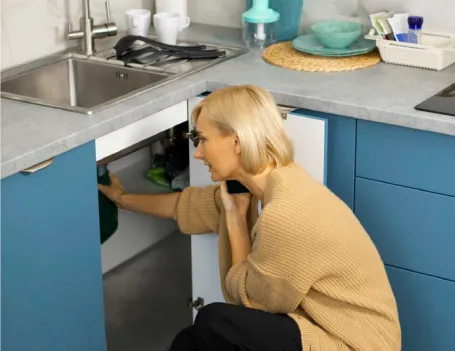
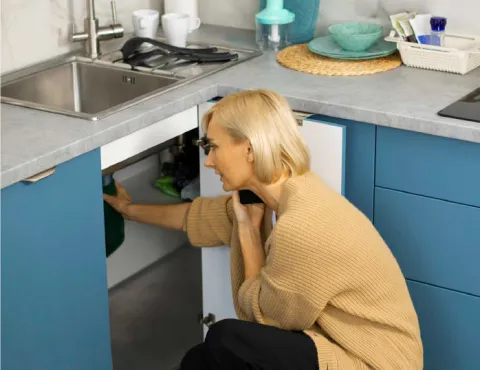
- Open cabinet doors under sinks to help keep pipes warm.
- Regularly check water sources where frozen pipes are more likely, including around sinks and bathrooms.
- If you lose power:
- Run your faucets at a fast drip until you can get a temporary source of heat.
- If the power will be out for an extended period, shut off the main water valve then open and run the water faucets until the pipes are empty.
- If your pipes freeze:
- Don’t wait for them to burst –try thawing them with a hairdryer, heat lamp or space heater (do not leave heat sources unattended.)
- Call a plumber if you need assistance.
- If your pipes burst, first turn off the water then repair the pipe, clean up the water, assess the damage and contact your insurance company.
If you’re planning to travel or won’t be home during a freeze:
- Keep cabinet doors open under sinks to let warmer air reach your pipes.
- Set your thermostat to 60 degrees or higher.
- Set your faucets to a slow drip to keep water moving through interior pipes at risk of freezing, or turn off your water completely – especially in a secondary or seasonal home.
- Have a neighbor or friend stop by to check on your home during the freeze to help find issues early and prevent further damage.
Be sure to notify your insurance company immediately if there is damage and protect the property while mitigating any future risk.
For questions about coverage on your existing policy or to get a quote on a new policy, contact Educators Insurance Agency at educatorsinsuranceagency.com or 888-908-6822.
Get more from

Standing up for educators and students for 180 years.