VOLUME 34 / NUMBER 2 / WINTER 2022
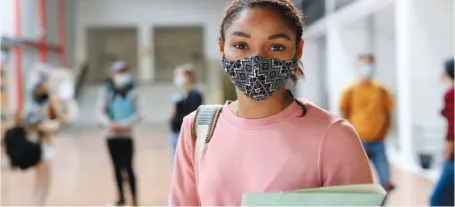
Our children are suffering. An October 2021 research review published by the clinical medical journal Pediatric Clinics of North America found consistent evidence that children and adolescents are experiencing increased anxiety and depression during the COVID-19 era. The study authors recommend that health care providers and communities in general provide additional anxiety and depression screening and resources for youth.
But it’s not only kids who are at increased risk.
A study by the U.S. Centers for Disease Control and Prevention cited an increase in depressive symptoms among adults, from 24.5 percent in August 2020 to 30.2 percent in December of the same year. According to another recent study in the medical journal The Lancet, adult depression has nearly tripled during the pandemic, with researchers from the Boston University School of Public Health estimating that depression now affects 1 in 3 American adults.
In another study, researchers at the Intermountain Healthcare Heart Institute in Salt Lake City decided to review the medical records of more than 4,500 people who were screened for depression symptoms during appointments with primary care doctors. Screening results prior to and after the pandemic were included.
The results? Nearly 4 in 10 people had reported ongoing or new depression symptoms during the first year of the pandemic. People with depression symptoms were also nearly three times as likely to use Emergency Department services for anxiety symptoms.
"We are starting to talk more about mental health with COVID-19, and I think this brings awareness maybe to some of the trickling effects," said epidemiologist Heidi May, the lead Intermountain researcher.
Doctors such as Jeffery Huffman, director of the Cardiac Psychiatry Research Program at Massachusetts General Hospital, are additionally concerned about mental health and the phenomenon of mind-heart-body connection. Huffman is worried that depression has been associated in research with increased risk of fatal heart attacks and strokes. He is predicting a possible increase in these pathologies in the coming years.
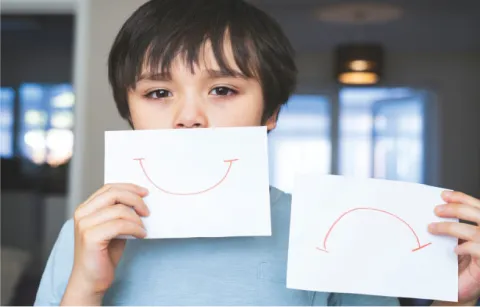
The news is not all bad, however. Researchers are highlighting the role of prevention and the lifestyle factors we do have control over. Self-care, healthy diet, sufficient sleep, physical activity and social connection can go a long way in decreasing mental and physical health risks. Huffman also reminds us that therapy and medication can help, when needed.
"Depression is pretty clearly established as a medical condition that has effective treatments," Huffman said.
Researchers at the University of Florida took a deeper look at effective coping tools in their March 2021 study, "Thriving during COVID-19: Predictors of psychological well-being and ways of coping." Those researchers found that a sense of agency and social supports during the experience of loneliness were the most impactful factors in how people coped with pandemic-era stressors.
A sense of agency can provide a sort of psychological boost when other supports or resources may not be available. The researchers cited activities such as spearheading home projects, going for walks, cooking, organizing or cleaning, phoning friends, writing letters, taking time to rest, or reading with children as acts of agency.
The key is to engage in an act of will. We may be limited in terms of finances or resources, but such small acts can create a sense of autonomy in a changing world. The research shows that those with a sense of agency fare better in terms of mental health resilience.
Social supports can come in the form of FaceTime conversations with family or friends, spiritual or church groups, service to others, telehealth therapy, or online support groups. The format is not as important as the sense of connection. A broad range of research supports social connection as a protective factor for mental health.
Humans are pack animals. We struggle in isolation. This era requires that we be mindful in making sure social supports are in place.
Another great option is altruism. Making sure a lonely or elderly neighbor or friend has resources, a phone check-in or a provider referral can help mitigate risk in our community while also supporting our own need for social connection and creating a sense of personal meaning. That’s a win-win. After all, we are all in this together.

Editor: Carolyn Cassiani
The MTA Advantage is published three times a year as a supplement to MTA Today by MTA Benefits, Inc.
2 Heritage Drive, 8th Floor, Quincy, MA 02171-2119
Tel: 800.336.0990 • Fax: 617.557.6687
Website: mtabenefits.com
No dues dollars are ever used to market MTA Benefits programs.