The connection between Education Support Professionals and teachers must be stronger than ever to help everyone attain better contracts and working conditions.
That’s the philosophy behind the Boston Area ESP and Accomplices Network, or BESPAN, a new group numbering a few dozen people in preK-12 locals that has grown to include MTA members from Belmont, Lexington, Malden, Somerville and Sudbury.
The goal is to build genuine solidarity between all members in a local so that, for example, everyone understands that the work of the union isn’t finished if ESPs are left to fight for basic dignity and a living wage on their own.
Members of the network meet monthly for trainings and strategy sessions — and to hold conversations aimed at raising up the voices of ESPs in each local as they work together with teachers toward shared goals.
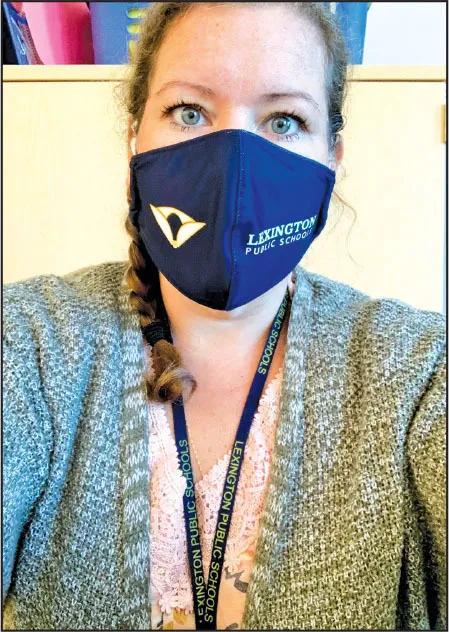
Amy Morin, a specialized instructional assistant in Lexington and a Lexington Education Association Executive Board member, said that as a founding member of BESPAN, she worked with fellow ESPs and a few teachers "to put together a group that wouldn’t just hold meetings, but would really help non-ESPs understand the challenges facing us in and out of the schools."
Recent meetings of BESPAN have included trainings for building representatives and discussions about ways to make locals more ESP-friendly. They have also focused on rewriting bylaws to make them more inclusive of all members, developing bargaining strategy and expanding negotiating teams.
"As members of the same union, we need to foster ESP leadership and partner in support of contracts that reflect ESPs’ importance to our community," said John Sullivan, a special education teacher and president of the Belmont Education Association. Sullivan is also a founding member of BESPAN.
Typical conversations at meetings might cover sharing of concerns and experiences — as well as ideas for solutions — when locals fight for stronger ESP contracts. ESPs are free to talk about ways in which they feel disrespected or undermined by administrators or teachers, and teachers can discuss how they feel disconnected from ESPs. The conversations are aimed at helping everyone involved see how school and union structures can keep people apart, to their shared detriment.
"If we really understand each other and have a real conversation, we can face these challenges together," said Morin.
If you are interested in learning more about BESPAN or planning a similar group in your area of the state, please contact mtaesp@massteacher.org or call 617.878.8260.